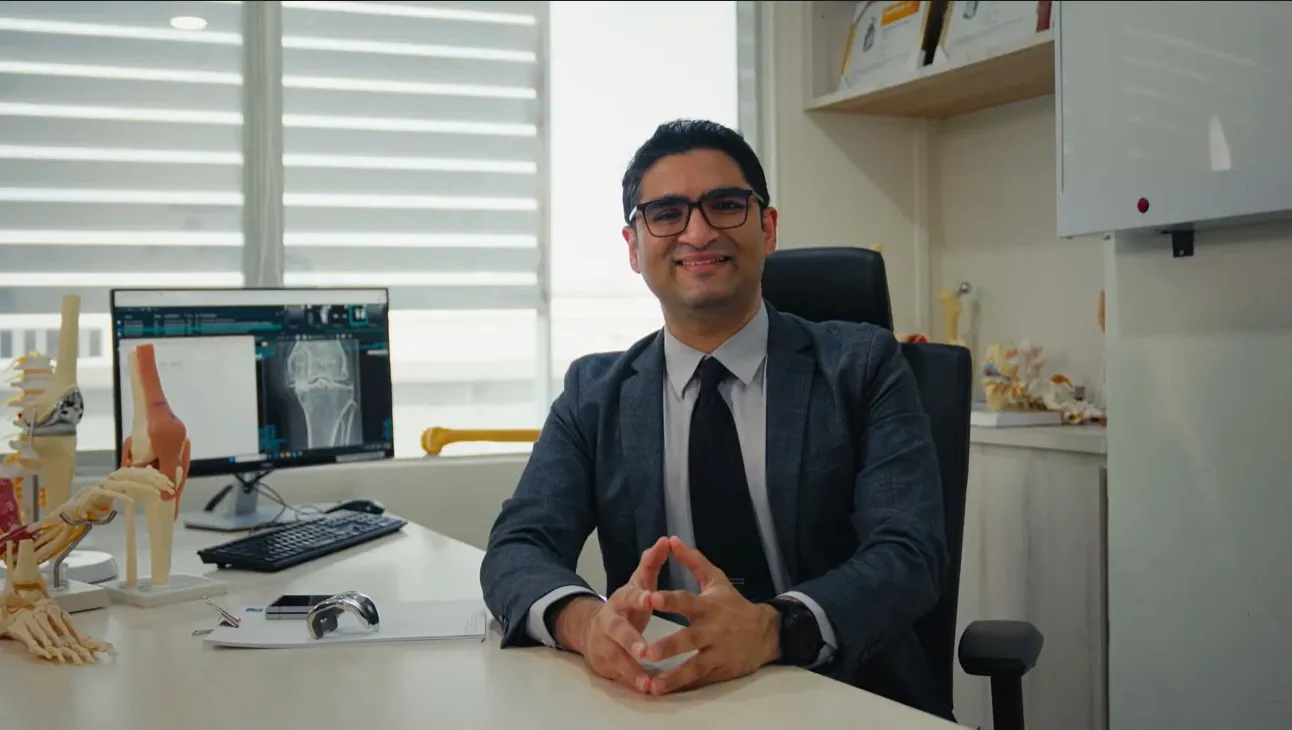



Colorectal cancer is a major public health concern. It is preventable, treatable and curable once detected early emphasized Dato’ Dr Meheshinder Singh, Consultant General & Colorectal Surgeon in Beacon Hospital. “And colonoscopies are the best tool to reduce that risk.”[/vc_column_text][/vc_column][/vc_row][vc_row type=”in_container” full_screen_row_position=”middle” column_margin=”default” column_direction=”default” column_direction_tablet=”default” column_direction_phone=”default” scene_position=”center” text_color=”dark” text_align=”left” row_border_radius=”none” row_border_radius_applies=”bg” overflow=”visible” overlay_strength=”0.3″ gradient_direction=”left_to_right” shape_divider_position=”bottom” bg_image_animation=”none”][vc_column column_padding=”no-extra-padding” column_padding_tablet=”inherit” column_padding_phone=”inherit” column_padding_position=”all” column_element_spacing=”default” background_color_opacity=”1″ background_hover_color_opacity=”1″ column_shadow=”none” column_border_radius=”none” column_link_target=”_self” column_position=”default” gradient_direction=”left_to_right” overlay_strength=”0.3″ width=”1/1″ tablet_width_inherit=”default” tablet_text_alignment=”default” phone_text_alignment=”default” animation_type=”default” bg_image_animation=”none” border_type=”simple” column_border_width=”none” column_border_style=”solid”][vc_custom_heading text=”Here are Five Reasons to Get a Colonoscopy” use_theme_fonts=”yes”][vc_row_inner column_margin=”default” column_direction=”default” column_direction_tablet=”default” column_direction_phone=”default” top_padding=”20px” text_align=”left” row_position=”default” row_position_tablet=”inherit” row_position_phone=”inherit” overflow=”visible” pointer_events=”all”][vc_column_inner column_padding=”no-extra-padding” column_padding_tablet=”inherit” column_padding_phone=”inherit” column_padding_position=”all” column_element_spacing=”default” background_color_opacity=”1″ background_hover_color_opacity=”1″ column_shadow=”none” column_border_radius=”none” column_link_target=”_self” gradient_direction=”left_to_right” overlay_strength=”0.3″ width=”1/1″ tablet_width_inherit=”default” animation_type=”default” bg_image_animation=”none” border_type=”simple” column_border_width=”none” column_border_style=”solid”][vc_custom_heading text=”1. Colon cancer can happen to anyone” font_container=”tag:h3|text_align:left” use_theme_fonts=”yes”][vc_column_text]Colorectal cancer is the third most common cancer and the second leading cause of cancer-related deaths. Most individuals who develop colorectal cancer are above the age of 50. However, in the past decade, the incidence of colon cancer has been rising among younger adults. It can affect anyone, including younger healthy individuals without any family history of the disease.[/vc_column_text][/vc_column_inner][/vc_row_inner][vc_row_inner column_margin=”default” column_direction=”default” column_direction_tablet=”default” column_direction_phone=”default” text_align=”left” row_position=”default” row_position_tablet=”inherit” row_position_phone=”inherit” overflow=”visible” pointer_events=”all”][vc_column_inner column_padding=”no-extra-padding” column_padding_tablet=”inherit” column_padding_phone=”inherit” column_padding_position=”all” column_element_spacing=”default” background_color_opacity=”1″ background_hover_color_opacity=”1″ column_shadow=”none” column_border_radius=”none” column_link_target=”_self” gradient_direction=”left_to_right” overlay_strength=”0.3″ width=”1/1″ tablet_width_inherit=”default” animation_type=”default” bg_image_animation=”none” border_type=”simple” column_border_width=”none” column_border_style=”solid”][vc_custom_heading text=”2. Colonoscopies prevent colon cancer” font_container=”tag:h3|text_align:left” use_theme_fonts=”yes”][vc_column_text]Unlike many cancers, colon cancer is preventable. Majority of colorectal cancers arises from small growths known as polyps that develop on the lining of the colon or rectum. Over time, these polyps predominantly the adenomatous polyps enlarge and can transform into cancer. During a colonoscopy, doctors identify and remove these polyps. This removal significantly reduces the risk of developing colon cancer.[/vc_column_text][/vc_column_inner][/vc_row_inner][image_with_animation image_url=”23281″ image_size=”full” animation_type=”entrance” animation=”Fade In” hover_animation=”none” alignment=”” border_radius=”none” box_shadow=”none” image_loading=”default” max_width=”100%” max_width_mobile=”default”][vc_row_inner column_margin=”default” column_direction=”default” column_direction_tablet=”default” column_direction_phone=”default” text_align=”left” row_position=”default” row_position_tablet=”inherit” row_position_phone=”inherit” overflow=”visible” pointer_events=”all”][vc_column_inner column_padding=”no-extra-padding” column_padding_tablet=”inherit” column_padding_phone=”inherit” column_padding_position=”all” column_element_spacing=”default” background_color_opacity=”1″ background_hover_color_opacity=”1″ column_shadow=”none” column_border_radius=”none” column_link_target=”_self” gradient_direction=”left_to_right” overlay_strength=”0.3″ width=”1/1″ tablet_width_inherit=”default” animation_type=”default” bg_image_animation=”none” border_type=”simple” column_border_width=”none” column_border_style=”solid”][vc_custom_heading text=”3. Colonoscopies help detect cancer early” font_container=”tag:h3|text_align:left” use_theme_fonts=”yes”][vc_column_text]In most cases, polyps and early-stage of colorectal cancer, patients may not mount any symptoms. The primary purpose of colonoscopies is to detect and remove polyps before they progress into cancer. Therefore, it is crucial not to wait for symptoms to spur you into action, as statistics have shown that most who present with symptoms, would usually present in stages 3 or 4.[/vc_column_text][/vc_column_inner][/vc_row_inner][vc_row_inner column_margin=”default” column_direction=”default” column_direction_tablet=”default” column_direction_phone=”default” text_align=”left” row_position=”default” row_position_tablet=”inherit” row_position_phone=”inherit” overflow=”visible” pointer_events=”all”][vc_column_inner column_padding=”no-extra-padding” column_padding_tablet=”inherit” column_padding_phone=”inherit” column_padding_position=”all” column_element_spacing=”default” background_color_opacity=”1″ background_hover_color_opacity=”1″ column_shadow=”none” column_border_radius=”none” column_link_target=”_self” gradient_direction=”left_to_right” overlay_strength=”0.3″ width=”1/1″ tablet_width_inherit=”default” animation_type=”default” bg_image_animation=”none” border_type=”simple” column_border_width=”none” column_border_style=”solid”][vc_custom_heading text=”4. Colonoscopies are accurate” font_container=”tag:h3|text_align:left” use_theme_fonts=”yes”][vc_column_text]Doctors refer to colonoscopies as the “gold standard” for good reason. They can identify over 95% of cancers and precancerous polyps within the colon.[/vc_column_text][/vc_column_inner][/vc_row_inner][vc_row_inner column_margin=”default” column_direction=”default” column_direction_tablet=”default” column_direction_phone=”default” text_align=”left” row_position=”default” row_position_tablet=”inherit” row_position_phone=”inherit” overflow=”visible” pointer_events=”all”][vc_column_inner column_padding=”no-extra-padding” column_padding_tablet=”inherit” column_padding_phone=”inherit” column_padding_position=”all” column_element_spacing=”default” background_color_opacity=”1″ background_hover_color_opacity=”1″ column_shadow=”none” column_border_radius=”none” column_link_target=”_self” gradient_direction=”left_to_right” overlay_strength=”0.3″ width=”1/1″ tablet_width_inherit=”default” animation_type=”default” bg_image_animation=”none” border_type=”simple” column_border_width=”none” column_border_style=”solid”][vc_custom_heading text=”5. Colonoscopies are safe” font_container=”tag:h3|text_align:left” use_theme_fonts=”yes”][vc_column_text]Contrary to rumors, colonoscopies are extremely safe when performed by experienced specialists.[/vc_column_text][/vc_column_inner][/vc_row_inner][vc_column_text]Yes, there is a risk of bleeding and perforation (essentially, a hole in the colon). However, these risks are minimal. Fewer than 1 in 1,000 individuals experience bleeding or a perforation during the procedure. In contrast, approximately 1 in 18 people will develop colon cancer in their lifetime.[/vc_column_text][/vc_column][/vc_row][vc_row type=”full_width_background” full_screen_row_position=”middle” column_margin=”default” column_direction=”default” column_direction_tablet=”default” column_direction_phone=”default” bg_image=”32″ bg_position=”left top” background_image_loading=”default” bg_repeat=”no-repeat” scene_position=”center” top_padding=”2%” bottom_padding=”2%” text_color=”dark” text_align=”center” row_border_radius=”none” row_border_radius_applies=”bg” overflow=”visible” advanced_gradient_angle=”0″ overlay_strength=”0.3″ gradient_direction=”left_to_right” shape_divider_position=”bottom” bg_image_animation=”none” gradient_type=”default” shape_type=””][vc_column column_padding=”no-extra-padding” column_padding_tablet=”inherit” column_padding_phone=”inherit” column_padding_position=”all” column_element_spacing=”default” centered_text=”true” background_color_opacity=”1″ background_hover_color_opacity=”1″ column_shadow=”none” column_border_radius=”none” column_link_target=”_self” column_position=”default” advanced_gradient_angle=”0″ gradient_direction=”left_to_right” overlay_strength=”0.3″ width=”1/1″ tablet_width_inherit=”default” tablet_text_alignment=”default” phone_text_alignment=”default” animation_type=”default” bg_image_animation=”none” border_type=”simple” column_border_width=”none” column_border_style=”solid” gradient_type=”default”][vc_column_text]Featured Doctor:[/vc_column_text][vc_column_text]

Consultant General & Colorectal Surgeon
[/vc_column_text][nectar_btn size=”large” button_style=”regular” button_color_2=”Accent-Color” icon_family=”none” text=”Book Now” url=”https://www.staging2.beaconhospital.com.my/consultant/dato-dr-meheshinder-singh-d-s-t-m/”][/vc_column][/vc_row]